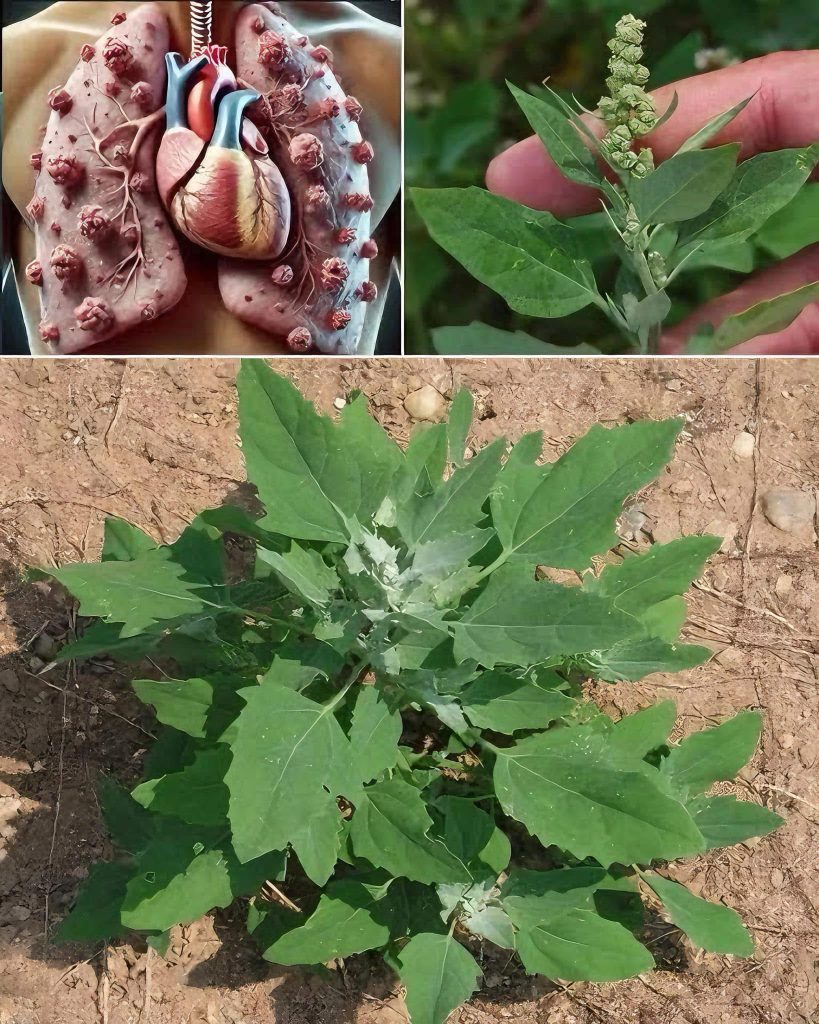
Pigweed (Chenopodium album), also known as “white pigweed” or “white pigweed,” is a wild plant that has been used for centuries in various cultures as a nutritious and medicinal food. This leafy green vegetable, commonly considered a “weed,” actually offers a wide range of health benefits thanks to its rich nutrient composition. Below, we’ll explore some of pigweed’s most notable properties and how they can contribute to well-being.
1. High content of vitamins and minerals
Pigweed is an excellent source of vitamins A, C, and B vitamins, as well as essential minerals such as iron, calcium, potassium, and magnesium. These nutrients are essential for maintaining good bone health, strengthening the immune system, and improving energy production in the body.
•Vitamin A: essential for eye health, helps prevent eye-related diseases and keeps the immune system strong.
•Vitamin C: acts as a powerful antioxidant that strengthens the immune system, aids healing, and promotes collagen production.
•Calcium and magnesium: essential for bone and muscle health, they help prevent osteoporosis and improve muscle contraction and nerve function.
2. Antioxidant properties
Thanks to its flavonoid content, ash is a powerful antioxidant that helps fight free radicals in the body. Antioxidants play a crucial role in preventing chronic diseases such as cancer, cardiovascular disease, and premature cellular aging.
3. Supports digestion
Pigweed is rich in fiber, an essential component for digestive health. Fiber helps regulate intestinal transit, preventing constipation and promoting better nutrient absorption. Furthermore, consuming fiber-rich foods is associated with a lower risk of problems such as irritable bowel syndrome and colon cancer.
4. Anti-inflammatory effect
Ash leaves contain natural compounds with anti-inflammatory properties that may be helpful in reducing symptoms of inflammation in conditions such as arthritis and muscle pain. Chronic inflammation is a risk factor for many diseases, and anti-inflammatory foods, such as ash, can be important allies in reducing this risk.
5. Blood sugar control
Pigweed has a low glycemic index and contains nutrients that help stabilize blood sugar levels, which can be beneficial for people with diabetes or insulin resistance. Its fiber content also helps prevent glucose spikes, helping maintain constant energy and reduce appetite.
6. Support for cardiovascular health
Due to its high potassium and low sodium content, ash can help maintain healthy blood pressure, reducing the risk of cardiovascular disease. Furthermore, the antioxidants in ash help protect the cardiovascular system by reducing oxidative stress and inflammation in the arteries.
7. Detoxifying effect
Ash is known for its purifying properties, as it stimulates the elimination of toxins from the body, primarily through the kidneys and liver. This helps cleanse the body of harmful substances, promoting better overall health and improving the functioning of these essential organs.
8. Strengthens the immune system
Thanks to its vitamin and mineral content, especially vitamin C and zinc, pigweed is an excellent ally for strengthening the immune system. These nutrients help stimulate the production of white blood cells and strengthen the body’s natural defenses, which is especially beneficial during colds and flu.
9. Support for the nervous system and brain
Pigweed contains folic acid, an essential nutrient for the development of the nervous system and proper brain function. Folic acid is also essential during pregnancy, as it contributes to healthy fetal development and helps prevent birth defects.
How to consume ash?
Pigweed can be eaten in a variety of ways, either raw in salads or cooked in soups, stews, and omelets. It’s important to note that, like many wild plants, it may contain small amounts of oxalates, so it’s advisable to cook it lightly to reduce its content and make it easier to digest.
Precautions
Although pigweed is safe for most people, excessive consumption could be harmful due to its oxalate levels. People with kidney problems or a tendency to form kidney stones should consult a health professional before including large amounts of pigweed in their diet.
Conclusion
Ash is a wild plant packed with nutrients that offers multiple health benefits, from strengthening the immune system to improving digestion and cardiovascular health. Including ash in your diet is a simple and inexpensive way to take advantage of these benefits, contributing to a more balanced and healthy diet.