In a stunning and controversial move, Major League Soccer (MLS) has announced a permanent ban on Pride flags at the 2025 FIFA Club World Cup, shocking fans, advocates, and organizations that have long championed LGBTQ+ rights in sports. The decision, which has been widely criticized, is seen by many as a step backward in the fight for LGBTQ+ visibility and inclusion, particularly in light of the growing movement for greater representation in sports. Critics are calling the ban discriminatory and regressive, while others argue it is an attempt to distance the sport from what some perceive as the “woke agenda.”
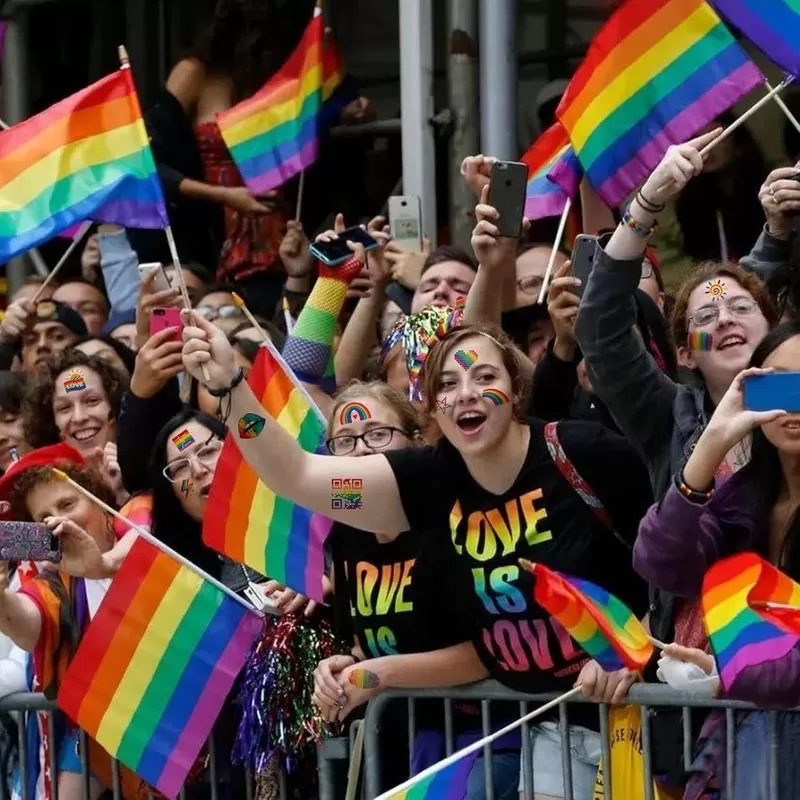
According to MLS officials, the decision to ban Pride flags stems from a desire to preserve the integrity of the event by maintaining a focus on the sporting aspect of the competition. The league released a statement emphasizing that it will no longer permit “woke pride displays” at the 2025 tournament, citing concerns that political and social messaging could detract from the universal values that football represents. While MLS leaders have defended the move, claiming that it is essential to uphold the essence of the game, the backlash has been swift and fierce.
LGBTQ+ advocates are particularly concerned that this ban signals a broader trend of erasure for the community within mainstream sports events. The decision has sparked widespread outrage, with social media platforms flooded with reactions from fans. Many LGBTQ+ supporters have adopted the hashtag #NoMoreWokePride to voice their displeasure, while others are calling for boycotts of the MLS or the entire tournament. These reactions highlight the emotional and cultural stakes tied to visibility and acceptance in the sporting world.
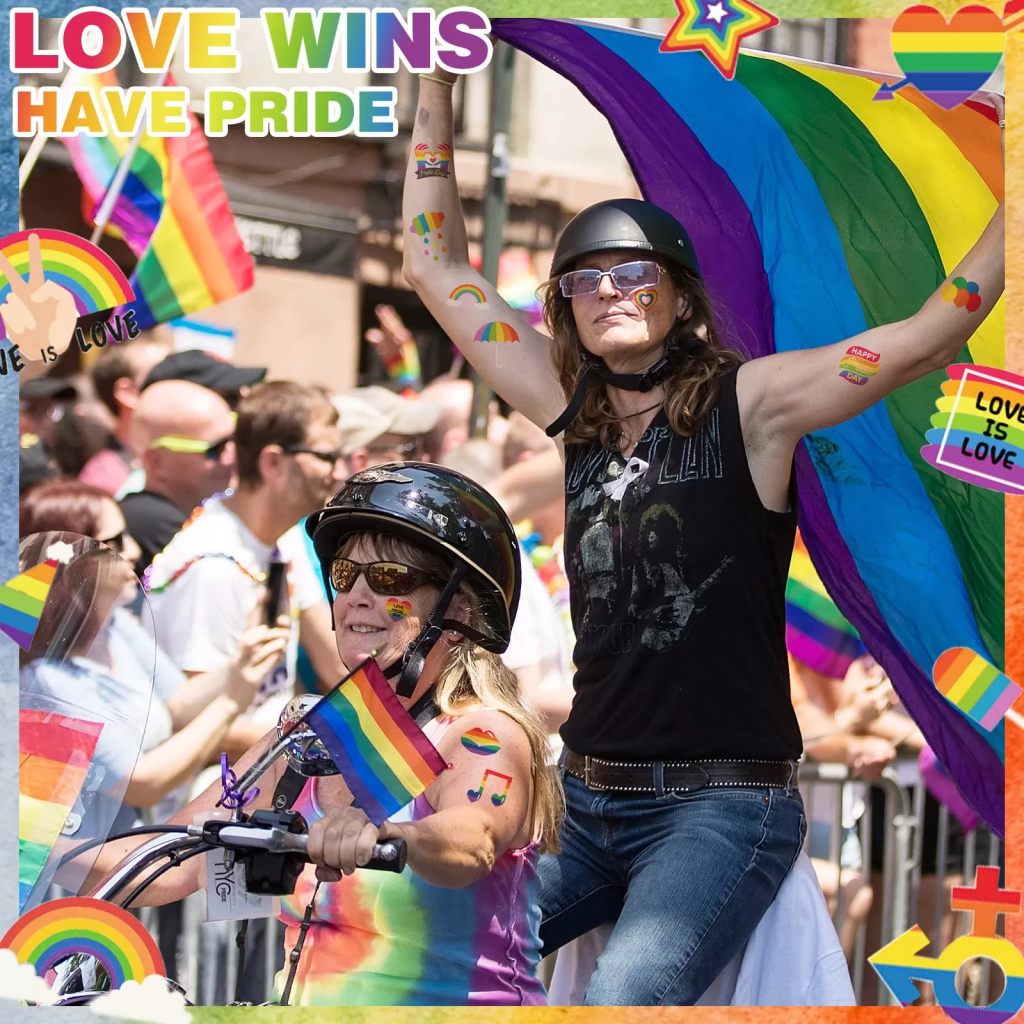
While some argue that sports should remain apolitical and focus solely on the competition itself, the overwhelming criticism comes from those who view the decision as tone-deaf to the needs of the LGBTQ+ community. The LGBTQ+ community has fought for years for representation and equality in sports, and many see the ban as a step backward in that struggle. The conversation surrounding this decision has highlighted the ongoing tension between social activism and the desire for sports to remain neutral, especially as political polarization continues to rise in the U.S. and around the world.
This development is part of a larger conversation in both the sports and entertainment industries about the role of social issues in public events. In recent years, there has been growing debate about how much political and social messaging should be allowed in major sporting events. The MLS ban on Pride flags could further intensify this debate, with critics accusing the league of silencing LGBTQ+ visibility in an attempt to placate a more conservative audience. Supporters, on the other hand, argue that this decision is a return to the pure, competitive nature of sports, free from the influence of identity politics.
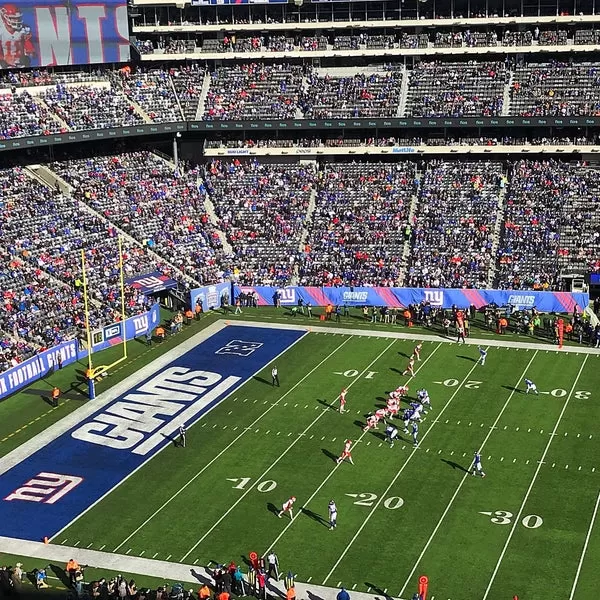
As the 2025 FIFA Club World Cup approaches, all eyes will be on how the policy plays out and the potential impact it could have on the relationship between fans, athletes, and social activism. Will this move alienate loyal LGBTQ+ supporters who have long been allies of the sport? Or will it serve as a rallying cry for those who advocate for a “neutral” sporting environment, free from political and social messaging? The answer remains uncertain, but it is clear that this decision will have long-term consequences for the intersection of sports and activism.
In the meantime, LGBTQ+ advocates are vowing to continue fighting for representation in sports, hoping that other leagues and global sporting events will take a more inclusive stance. As the battle for equality in sports continues, the outcome of this decision may serve as a pivotal moment in the ongoing struggle for LGBTQ+ visibility and acceptance on the global stage.