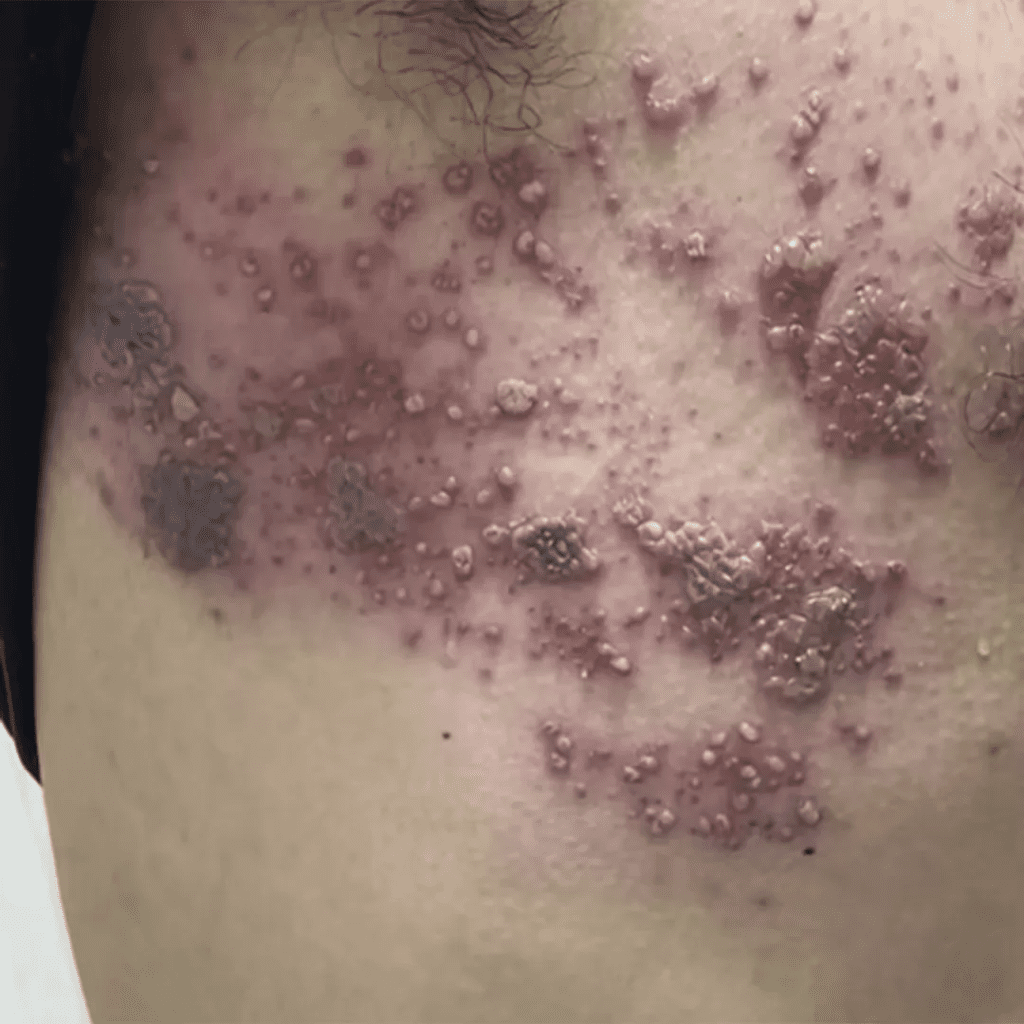
Fungal skin infections can become a real headache if left untreated. Most people think it’s just a simple irritation or a passing rash, but when the infection progresses, it can become a serious nuisance that affects comfort, sleep, and even self-esteem. The lesions can appear reddish, inflamed, and with small bumps that burn or itch, which worsens if the skin rubs together or remains damp for too long. Although these problems are more common than they seem, there is still a lot of misinformation about how they appear and how to actually get rid of them.
Understanding what causes fungal infections and which treatments work is key to successfully combating them. Fungal infections can spread rapidly if left untreated, especially in warm areas of the body such as the groin, skin folds, feet, or armpits. That’s why it’s essential to act promptly and know which options actually help, from medications to daily care that stops the fungus from multiplying.
📌 IMPORTANT: The video related to this story can be found at the end of the article.
To begin, it’s helpful to understand exactly what skin fungi are. They are microorganisms that live in the environment and, under certain conditions, find the perfect opportunity to multiply on human skin. It’s not a matter of “lack of hygiene,” as is often believed. Humidity, heat, accumulated sweat, wearing tight clothing, a weakened immune system, or even hormonal changes can all contribute to these organisms growing more than normal. Once established, they begin to cause redness, itching, flaking, and, in some cases, more noticeable lesions.
A very common example is a groin infection, especially in people who are physically active, work in constant heat, or tend to sweat a lot. This area has the perfect conditions for fungal growth: moisture, heat, and friction. When these infections progress, the skin can become quite inflamed, and bumps or blisters can appear, which are bothersome and can cause concern. Although the appearance can be alarming, most of these infections are treatable and improve with proper care.
One of the most important aspects of treating fungal infections is consistency. It’s not enough to apply a cream for one or two days and expect immediate results. Antifungal treatments usually take several days to show visible improvement, and stopping them too soon allows the fungus to return stronger than before. Creams and ointments containing clotrimazole, terbinafine, miconazole, or ketoconazole are among the most commonly used for these cases. They work by slowing the growth of the fungus and gradually eliminating it. Ideally, they should be applied according to the product instructions, usually twice a day, to clean, completely dry skin.
In more advanced infections, such as those that present with reddened areas and multiple bumps, stronger treatment may be required, including gels or lotions that penetrate better, or even oral medications if a healthcare professional deems it necessary. These cases should not be treated solely with home remedies, as this could worsen or prolong the infection.
Even so, some natural remedies can help relieve discomfort while following the primary treatment. For example, diluted vinegar can help to slightly dry the skin, while tea tree oil is known for its antimicrobial properties. However, it’s important to understand that these remedies are not a substitute for medication and that, if applied carelessly, they can further irritate sensitive skin.
Another key point in eliminating fungal infections is to avoid moisture at all costs. Fungi thrive in moist environments, so keeping your skin dry is one of the best ways to fight them and prevent them from returning. Drying your body thoroughly after bathing, wearing cotton underwear, changing out of sweaty clothes as soon as possible, and avoiding tight-fitting synthetic fabrics all greatly help to slow the spread of these infections.
Daily habits have a greater impact than people realize. For example, using clean towels, not sharing personal items, keeping moist areas of the body well-ventilated, and avoiding scratching the affected areas can speed up recovery. Scratching not only irritates the skin but can also cause small wounds that become infected with bacteria, further complicating the situation.
Sometimes, fungal infections appear due to a weakened immune system. This can happen due to stress, poor diet, lack of sleep, or pre-existing conditions. Therefore, in addition to direct treatment, it’s advisable to adopt a lifestyle that strengthens the immune system. Eating more fruits, vegetables, and antioxidant-rich foods, staying hydrated, and getting enough sleep can help the skin recover faster.
For people who have already experienced repeated infections, prevention becomes even more important. Checking your skin frequently, especially in hidden or moist areas, allows you to detect any lesions early. Acting early prevents the fungus from progressing and becoming a more severe condition. It’s also helpful to use antifungal powder products if you sweat a lot, as they help keep your skin dry throughout the day.
It’s crucial to remember that these problems shouldn’t be a source of embarrassment. Fungal infections are extremely common and anyone can get them. The important thing is to treat them properly and not let them progress. Often, what starts as a small mark can develop into a large lesion if ignored for weeks. Taking prompt action makes all the difference.
If the infection appears widespread, has blisters, dark patches, or significant pain, it’s best to seek medical attention. Sometimes the skin can present a combination of fungal and irritating symptoms, or even bacterial infections, requiring specific treatment. It’s also possible that what appears to be a fungal infection is another type of condition that needs a different approach. Therefore, when the condition is severe or doesn’t improve with common antifungal medications, it’s best not to guess and consult a doctor directly.
In the long run, maintaining good hygiene, wearing appropriate clothing, drying thoroughly, and avoiding constant moisture are the best ways to prevent fungal infections from recurring. Skin is resilient, but it needs care, especially in folds and sensitive areas. With good habits and the right treatments, most infections clear up completely, and the skin regains its healthy appearance.
Eliminating fungal infections from the skin doesn’t have to be a complicated process, but it does require attention and discipline. The key is combining medical treatment, good habits, and prevention. The faster you act, the faster your skin will recover. And while some infections can look shocking or painful, the important thing to know is that they are treatable and that recovery is entirely possible with the right care.